

Discover 4 helpful strategies for Myopia Management –
Imagine a world where every detail is crystal clear, yet for millions, myopia, or nearsightedness, clouds that vision. As screen time rises and outdoor play declines, myopia is becoming increasingly prevalent, affecting both children and adults.
But there’s hope!
With the right strategies, we can manage myopia effectively and restore clarity to your world. In this article, we will explore four approaches to myopia management that we have experience with right here in Coquitlam (myopia management experts in Coquitlam).
We can help safeguard your eyesight and improve your overall quality of life. Whether you’re a parent seeking solutions for your child or an adult looking to maintain your vision, these practical tips are designed to empower you.
Get ready to embark on a journey toward clearer sight!
See Also: Strategies for Screen-Induced Myopia Management
Understanding Myopia: What Causes Nearsightedness?

What is Myopia?
Myopia, commonly known as nearsightedness, is a refractive error where distant objects appear blurred while close objects can be seen clearly.
What Causes Myopia?
This condition arises when the eyeball is elongated or the cornea is too curved, causing light entering the eye to focus in front of the retina instead of directly on it.
The result is a blurry vision for objects that are far away.
Myopia is typically diagnosed in childhood and can progress as a person grows, stabilizing in adulthood.
Several factors contribute to the development of myopia. Genetics play a significant role, as children with one or both myopic parents are at a higher risk of developing the condition.
Environmental factors are also influential.
Increased screen time, reduced outdoor activities, and prolonged near work—such as reading or using digital devices—are associated with a higher incidence of myopia. The modern lifestyle, with its emphasis on indoor activities, has exacerbated these environmental contributors.
Understanding the underlying causes of myopia is crucial for effective management and prevention.
By recognizing the genetic predispositions and environmental triggers, we can implement strategies to slow the progression of myopia. Awareness and early intervention are key to preventing severe visual impairment and ensuring a higher quality of life for individuals affected by nearsightedness.
What is Myopia Management?
Myopia management encompasses a range of strategies and treatments designed to slow the progression of nearsightedness and maintain optimal vision health. The goal is not only to correct existing refractive errors but also to address the underlying factors contributing to the condition. This comprehensive approach involves regular monitoring, lifestyle adjustments, and the use of various optical and therapeutic interventions.
One of the primary objectives of myopia management is to prevent the worsening of myopia over time. As myopia progresses, the risk of developing serious eye conditions, such as retinal detachment, glaucoma, and cataracts, increases.
By implementing effective management strategies, we can reduce these risks and protect long-term eye health. Early intervention, particularly in children, is crucial in mitigating the rapid progression of myopia during their developmental years.
Myopia management is a collaborative effort involving eye care professionals, patients, and their families. Optometrists and ophthalmologists play a pivotal role in diagnosing myopia, prescribing appropriate corrective lenses, and recommending additional treatments. Patients and their families must be proactive in adhering to prescribed treatments, attending regular eye examinations, and making necessary lifestyle changes. Together, these efforts can significantly improve visual outcomes and enhance the overall quality of life for those with myopia.
Strategy 1: Regular Eye Examinations
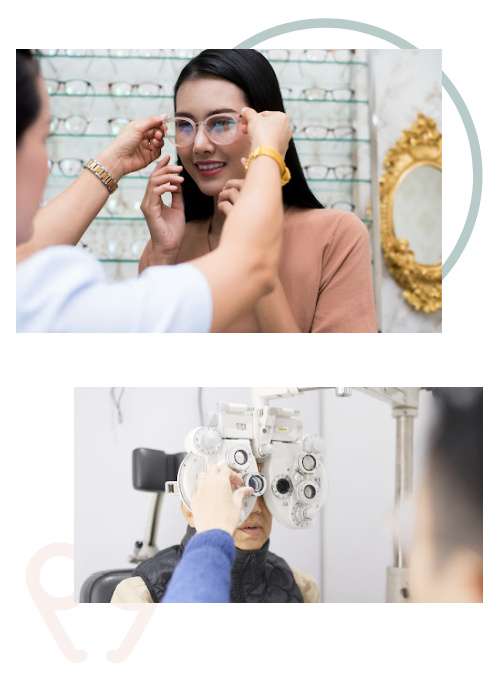
Regular eye examinations are the cornerstone of effective myopia management. Routine check-ups allow eye care professionals to monitor the progression of myopia, detect any changes in vision, and adjust treatment plans accordingly. Early detection of myopia in children is particularly important, as timely intervention can slow its progression and reduce the risk of developing high myopia.
During an eye examination, optometrists perform various tests to assess visual acuity, refractive error, and the overall health of the eyes. These tests may include retinoscopy, refraction tests, and slit-lamp examinations. Based on the findings, the optometrist can prescribe corrective lenses, recommend additional treatments, or refer the patient to a specialist if necessary. Regular examinations also provide an opportunity to educate patients and their families about the importance of myopia management and preventive measures.
For children, it is recommended to have their eyes examined at least once a year, starting from an early age. Adults with myopia should also schedule annual check-ups to ensure their vision remains stable and to detect any potential complications. By maintaining a consistent schedule of eye examinations, patients can stay informed about their eye health and receive timely interventions to manage myopia effectively.
In Coquitlam or the tri-cities? Contact XO OPTIX TODAY
Strategy 2: Prescription Glasses and Contact Lenses
Prescription glasses and contact lenses are the most common and effective methods for correcting myopia. These optical devices help to refocus light onto the retina, providing clear vision for distant objects. The choice between glasses and contact lenses depends on personal preference, lifestyle, and the specific needs of the individual.
Glasses are a convenient and non-invasive option for myopia correction. They come in various styles and materials, allowing patients to choose frames that suit their tastes and comfort. Additionally, glasses can be fitted with lenses that offer additional benefits, such as blue light filtering or photochromic properties, which can further enhance visual comfort and protection. For children, glasses are often the preferred choice due to their ease of use and minimal risk of complications.

Contact lenses provide an alternative to glasses for those who prefer not to wear frames. Modern contact lenses are available in various designs, including soft lenses, rigid gas permeable lenses, and daily disposables. Some contact lenses are specifically designed for myopia control, such as multifocal lenses or orthokeratology lenses, which we will discuss in more detail later. Contact lenses offer the advantage of a wider field of vision and greater freedom of movement, making them suitable for active individuals.
Regardless of the choice between glasses and contact lenses, it is essential to have a proper fitting and prescription from an eye care professional. Regular follow-ups are necessary to ensure the lenses remain effective and comfortable. By using prescription glasses or contact lenses as part of a comprehensive myopia management plan, patients can achieve clearer vision and reduce the impact of myopia on their daily lives.
Strategy 3: Orthokeratology: A Non-Surgical Option
Orthokeratology, or ortho-k, is a non-surgical treatment option for myopia that involves wearing specially designed rigid gas permeable contact lenses overnight. These lenses temporarily reshape the cornea, allowing light to focus correctly on the retina and providing clear vision during the day without the need for glasses or contact lenses. Ortho-k is particularly effective for children and adolescents, as it can slow the progression of myopia during their critical developmental years.
The ortho-k lenses are custom-fitted based on the patient’s corneal topography, ensuring a precise and comfortable fit. Patients wear the lenses while sleeping, and upon waking, they remove the lenses to enjoy clear vision throughout the day. The effects of ortho-k are temporary, and the lenses need to be worn regularly to maintain the corneal reshaping. However, the convenience of daytime lens-free vision makes ortho-k an attractive option for many individuals.
In addition to providing clear vision, ortho-k has been shown to slow the progression of myopia in children. By flattening the central cornea and creating a peripheral defocus, ortho-k lenses can reduce the eye’s axial elongation—a key factor in myopia progression. This makes ortho-k a valuable tool in myopia management, offering both corrective and preventive benefits. Regular monitoring and follow-ups with an eye care professional are essential to ensure the continued effectiveness and safety of ortho-k treatment.
Strategy 4: Vision Therapy Exercises You Can Do at Home
Vision therapy exercises are a valuable component of myopia management, offering a non-invasive way to improve visual function and reduce eye strain. These exercises are designed to strengthen the eye muscles, enhance focusing ability, and promote better coordination between the eyes and brain. By incorporating vision therapy into their daily routine, individuals with myopia can achieve better visual outcomes and reduce the progression of the condition.
One simple yet effective vision therapy exercise is the 20-20-20 rule. This exercise helps to alleviate digital eye strain, a common issue for those who spend long hours on screens. Every 20 minutes, take a 20-second break and focus on an object 20 feet away. This practice helps to relax the eye muscles and reduce the strain caused by prolonged near work. Another beneficial exercise is the pencil push-up, which involves holding a pencil at arm’s length and slowly bringing it closer to the nose while maintaining focus on the tip. This exercise improves convergence and focusing ability.
Palming is another relaxing exercise that can be done at home. To perform palming, sit comfortably and rub your hands together to generate warmth. Place your palms over your closed eyes without applying pressure, and relax for a few minutes. This exercise helps to relieve stress and relax the eye muscles. Incorporating these vision therapy exercises into your daily routine can complement other myopia management strategies and contribute to overall eye health.
Nutrition in Eye Health: Can Diet Impact Myopia?
Nutrition plays a crucial role in maintaining overall eye health and may influence the progression of myopia. A balanced diet rich in essential nutrients can support the health of the retina, cornea, and other eye structures, reducing the risk of visual impairment and promoting clearer vision. While diet alone cannot cure myopia, it can contribute to better eye health and complement other myopia management strategies.
Certain vitamins and minerals are particularly beneficial for eye health.
- Vitamin A, found in foods such as carrots, sweet potatoes, and leafy greens, is essential for maintaining good vision and preventing night blindness.
- Omega-3 fatty acids, found in fish like salmon and mackerel, support retinal health and may reduce the risk of developing dry eye syndrome.
- Antioxidants such as vitamins C and E, found in citrus fruits, nuts, and seeds, help to protect the eyes from oxidative stress and inflammation.
In addition to specific nutrients, a diet rich in fruits, vegetables, whole grains, and lean proteins can support overall eye health.
Hydration is also important, as adequate fluid intake helps to maintain the natural moisture of the eyes and prevent dryness.
By adopting a healthy and balanced diet, individuals with myopia can support their eye health and enhance the effectiveness of other myopia management strategies. Consulting with a nutritionist or dietitian can provide personalized dietary recommendations to meet individual needs.
Digital Devices and Myopia Progression: How Does Screen Time Affect Your Eyesight?
The increasing use of digital devices is a significant factor contributing to the rise in myopia cases. Prolonged screen time, whether for work, education, or entertainment, places considerable strain on the eyes and can accelerate the progression of myopia. Understanding the impact of digital devices on eyesight is essential for developing effective strategies to mitigate their effects and protect vision health.
One of the primary issues associated with prolonged screen time is digital eye strain, also known as computer vision syndrome. Symptoms of digital eye strain include dry eyes, blurred vision, headaches, and neck and shoulder pain. These symptoms result from prolonged focusing on screens, reduced blinking rates, and poor ergonomics. To alleviate digital eye strain, it is important to take regular breaks, practice the 20-20-20 rule, and ensure proper lighting and screen positioning.
Blue light emitted by digital screens is another concern. Excessive exposure to blue light can disrupt sleep patterns, contribute to digital eye strain, and potentially damage the retina over time. Using blue light filters on screens, wearing blue light-blocking glasses, and limiting screen time before bed can help mitigate these effects. Encouraging outdoor activities and reducing overall screen time are also effective strategies for managing the impact of digital devices on myopia progression.
When to Consult an Eye Care Professional
Knowing when to consult an eye care professional is crucial for effective myopia management and overall eye health. Regular eye examinations are essential for monitoring vision changes and receiving timely interventions. However, there are specific situations where it is particularly important to seek professional advice to address potential issues and prevent complications.
Parents should be vigilant about their children’s vision and seek an eye examination if they notice any signs of myopia, such as squinting, frequent eye rubbing, or difficulty seeing distant objects. Early detection and intervention are key to slowing the progression of myopia in children and reducing the risk of high myopia and associated complications. Adults should also schedule regular eye check-ups, especially if they experience any changes in vision, eye discomfort, or other symptoms of eye strain.
In addition to routine check-ups, it is important to consult an eye care professional if you experience sudden vision changes, eye pain, flashes of light, or floaters. These symptoms could indicate serious eye conditions that require immediate attention. An eye care professional can provide a comprehensive evaluation, diagnose any underlying issues, and recommend appropriate treatments. By staying proactive and seeking professional advice when needed, individuals can effectively manage myopia and maintain optimal eye health.
Conclusion: Taking Control of Your Vision Health
Managing myopia requires a proactive and comprehensive approach that encompasses regular eye examinations, appropriate corrective lenses, innovative treatments like orthokeratology, and vision therapy exercises.
By understanding the factors contributing to myopia and implementing effective strategies, individuals can slow its progression, protect their eye health, and achieve clearer vision.
Additionally, maintaining a healthy diet and managing screen time are essential components of a holistic myopia management plan.
Myopia Management in the Long-Term
The journey toward clearer sight is a collaborative effort involving eye care professionals, patients, and their families. By staying informed, adhering to prescribed treatments, and making necessary lifestyle adjustments, individuals can take control of their vision health and enhance their overall quality of life.
Whether you are a parent seeking solutions for your child’s myopia or an adult looking to maintain your vision, the strategies outlined in this article provide practical and effective ways to manage myopia and safeguard your eyesight.
Personalized Eye Care
In conclusion, myopia management is not a one-size-fits-all approach. It requires personalized care and consistent monitoring to achieve the best outcomes.
By prioritizing regular eye examinations, exploring various treatment options, and adopting healthy habits, individuals can navigate the challenges of myopia and enjoy a world of clearer vision. Take the first step today and embark on a journey toward better eye health and improved quality of life.
Leave a Reply