

Are you tired of experiencing eye strain, headaches, and difficulty sleeping after long hours in front of a computer screen? You’re not alone. Many people are turning to blue light glasses as a potential solution. But do they actually work?
Personal Note: It’s unbelievable, I used to think blue light glasses were just another marketing gimmick. You know, one of those things that sound too good to be true.
But let me tell you, I was totally wrong.
I used to get such bad headaches after work, and my eyes would feel like sandpaper. I tried all sorts of stuff – taking breaks, adjusting my screen settings, you name it. Nothing seemed to help.
Then I decided to give blue light glasses a shot. I was skeptical at first, but I figured it couldn’t hurt. And let me tell you, it was like a miracle.
The headaches stopped, my eyes felt less strained, and I even started sleeping better. I’m not saying they’re a cure-all, but they definitely made a huge difference for me.
Anyways, enough about personal experience with blue light glasses, just tackle some facts and myths.
See Also: Resources to Help With Eye Strain >
Blue Light Glasses Myth-Busting: Separating Fact from Fiction
Before diving into the benefits, let’s dispel some common misconceptions.
- Myth: Blue light glasses are only for gamers or heavy computer users.
- Reality: Anyone exposed to digital screens can benefit from blue light protection.
- Myth: Blue light glasses completely eliminate eye strain.
- Reality: They reduce eye strain, but other factors like posture and screen time also contribute.
- Myth: All blue light glasses are created equal.
- Reality: Quality and effectiveness vary depending on lens material, coating, and blocking percentage.
The Science Behind Blue Light Glasses
Blue light, a high-energy visible (HEV) light, is emitted by digital devices, LED bulbs, and even the sun. Prolonged exposure to blue light can cause several adverse effects on eye health and overall well-being.
- Prolonged exposure can cause.
- Digital eye strain (DES)
- Disrupted sleep patterns
- Potential long-term risks, such as macular degeneration
One of the immediate effects of prolonged exposure to blue light is digital eye strain (DES). Symptoms of DES include eye fatigue, dryness, irritation, blurred vision, and headaches.1
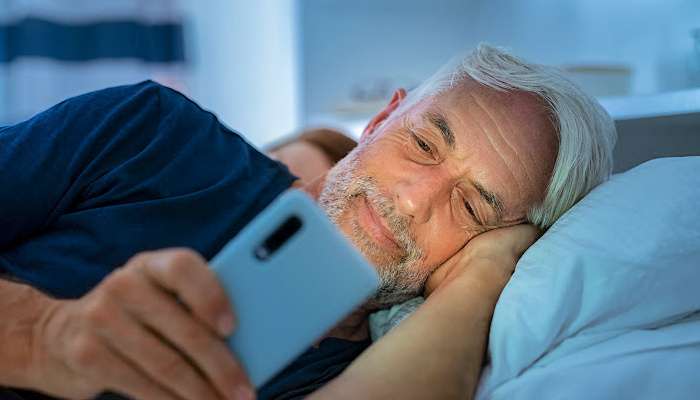
According to the Vision Council, 59% of Americans experience symptoms of DES after using digital devices for extended periods2.
In addition to DES, blue light can disrupt sleep patterns3. Blue light exposure suppresses the production of melatonin, a hormone that regulates sleep, making it harder to fall asleep and stay asleep. This disruption can lead to poor sleep quality and other related health issues.
There are also potential long-term risks associated with prolonged blue light exposure. Studies suggest that chronic exposure to blue light may increase the risk of age-related macular degeneration (AMD), a leading cause of vision loss in older adults. AMD is characterized by damage to the macula, the central part of the retina responsible for sharp, detailed vision.
Two Use Cases for Using Blue Light Glasses
Imagine spending hours hunched over a computer screen, designing websites with great attention to detail for clients. That’s the reality for many graphic designers. The constant strain on their eyes can lead to a range of issues, from eye strain and headaches to difficulty sleeping. It’s no wonder that more and more designers are turning to blue light glasses to alleviate these symptoms.
Receptionists, too, often face the challenges of prolonged computer use. Sitting at a desk all day, answering calls, and entering data can take a toll on the eyes. Dry eyes, blurred vision, and eye fatigue are common complaints among receptionists.
Fortunately, advancements in eyewear technology, such as blue light glasses, can help alleviate these problems and improve overall eye health.
How Do Blue Light Glasses Work?
Blue light glasses block or filter harmful blue light emissions from screens and artificial lighting, reducing eye strain and fatigue. By wearing them, you can significantly minimize the discomfort, headaches, and blurred vision associated with prolonged screen time. This makes it easier to focus on tasks without experiencing the adverse effects of digital eye strain.

Additionally, blue light glasses can have a positive impact on sleep quality. Exposure to blue light, especially in the evening, can interfere with the body’s natural production of melatonin, the hormone that regulates sleep. By blocking blue light exposure in the hours leading up to bedtime, individuals can help maintain their body’s natural circadian rhythm and promote better rest. This, in turn, leads to improved overall well-being, as quality sleep is essential for various bodily functions and health.
In essence, blue light glasses offer tangible benefits for those who use digital devices extensively. They enhance daily comfort, productivity, and overall well-being, making them a practical solution for protecting your eyes and promoting healthier screen habits. No longer just a fashion accessory, blue light glasses provide a valuable tool for anyone seeking to reduce the negative effects of screen time.
Choosing the Right Blue Light Glasses
To maximize the benefits of blue light glasses, consider several key factors.
Firstly, aim for glasses that block at least 90% of blue light in the 400-450nm range. Opt for lenses made from materials like polycarbonate or Trivex, as they offer superior blue light blocking capabilities.
Additionally, anti-reflective and anti-glare coatings can enhance visual clarity, making your viewing experience more comfortable. If you require prescription lenses, ensure the blue light glasses can accommodate your needs.
Lastly, don’t overlook style and comfort; choose frames that fit well and suit your personal style to encourage regular use.

Reduce Digital Eye Strain
Blue light glasses are a valuable tool in reducing digital eye strain and promoting healthier screen habits. By understanding the science and selecting the right pair, you can:
- Enhance visual comfort
- Improve sleep quality
- Protect your long-term eye health
Visit XO OPTIX to explore our range of blue light glasses and consult with our experts to find the perfect pair for your needs.
- UC Davis Health Report on Blue Light Strain. Source: https://health.ucdavis.edu/blog/cultivating-health/blue-light-effects-on-your-eyes-sleep-and-health/2022/08?utm_source=mafost-marketing Accessed 10/22/2024 ↩︎
- Vision Council is an organization that provides research and membership learning opportunities. https://thevisioncouncil.org/ ↩︎
- The Sleep Charity, a UK-based nonprofit organization dedicated to sleep health. Source: https://thesleepcharity.org.uk/information-support/adults/sleep-hub/blue-light-and-sleep/?utm_source=mafost-marketing Accessed 10/22/2024 ↩︎
Leave a Reply